You’re watching someone destroy the dignity of those you love most, and there’s absolutely nothing you can do to stop it.
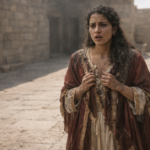
Rizpah knew that feeling. She stood there as the executioners came for her sons, Armoni and Mephibosheth. Two young men who had committed no crime. Two sons who would die for sins their grandfather committed.
This is where her story begins, but it’s not where it ends.
The Weight of Another Man’s Sin
Rizpah was a concubine to King Saul, which meant she lived in the palace but never quite belonged there. She raised her two sons in the shadow of Israel’s most troubled king, a man who chased David with spears and consulted witches in his final desperate days. When Saul died on Mount Gilboa (1 Samuel 31:4), Rizpah probably thought the worst was behind her.
Therefore, when three years of famine ravaged Israel under King David’s rule, she had no reason to fear. Her sons had done nothing wrong. They were simply living their lives.
But David sought God about the famine, and the answer came back severely. The land was suffering because Saul had broken a treaty and slaughtered the Gibeonites, a people Israel had sworn to protect centuries earlier (2 Samuel 21:1-2). Blood guilt stained the ground, and someone had to pay.
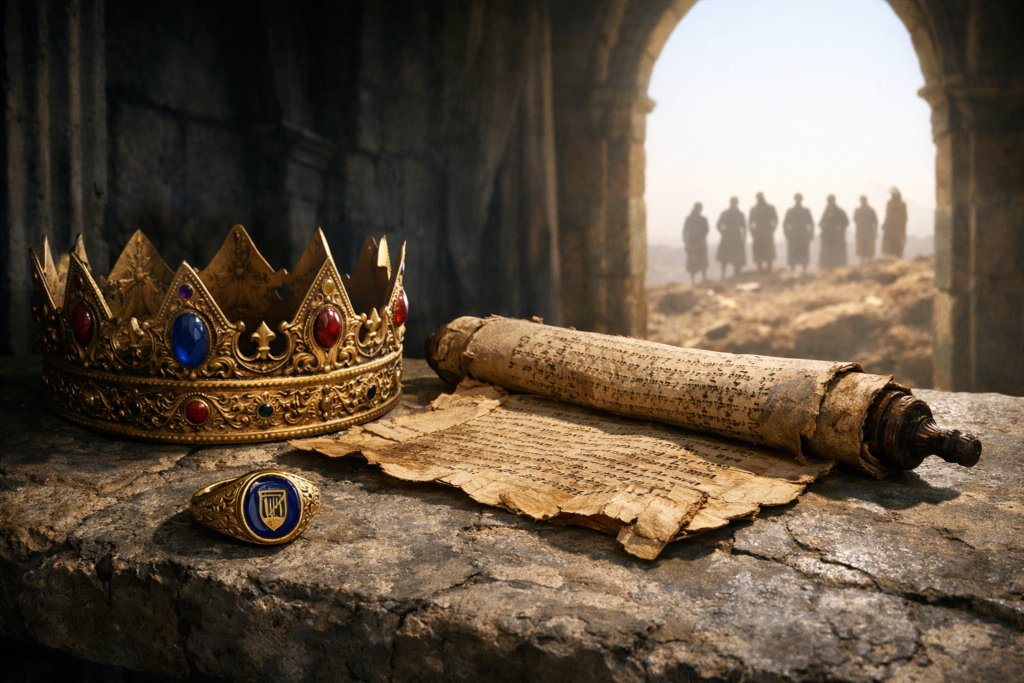
The Gibeonites didn’t want money. They wanted seven of Saul’s male descendants, handed over to be executed and hung before the Lord (2 Samuel 21:6). David agreed. He spared Mephibosheth, son of Jonathan because of his covenant with his friend, but he handed over five grandsons of Saul and Rizpah’s two sons.
Just like that, Armoni and Mephibosheth were sentenced to death for their grandfather’s crimes.
The Vigil That Changed a Kingdom
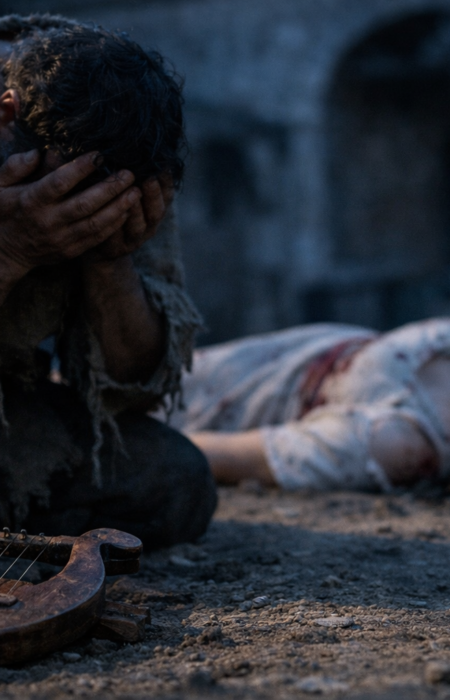
Picture the scene. A barren hill outside Gibeon. Seven bodies hanging in the scorching sun. The Gibeonites believed justice had been served, but according to ancient custom, the bodies couldn’t be buried yet. They had to remain exposed until God showed His forgiveness, until the rains came and broke the famine.
Rizpah could have walked away. She could have returned to whatever remained of her life, nursed her grief in private, and let the vultures and wild dogs do what they do. No one would have blamed her.
But she didn’t.
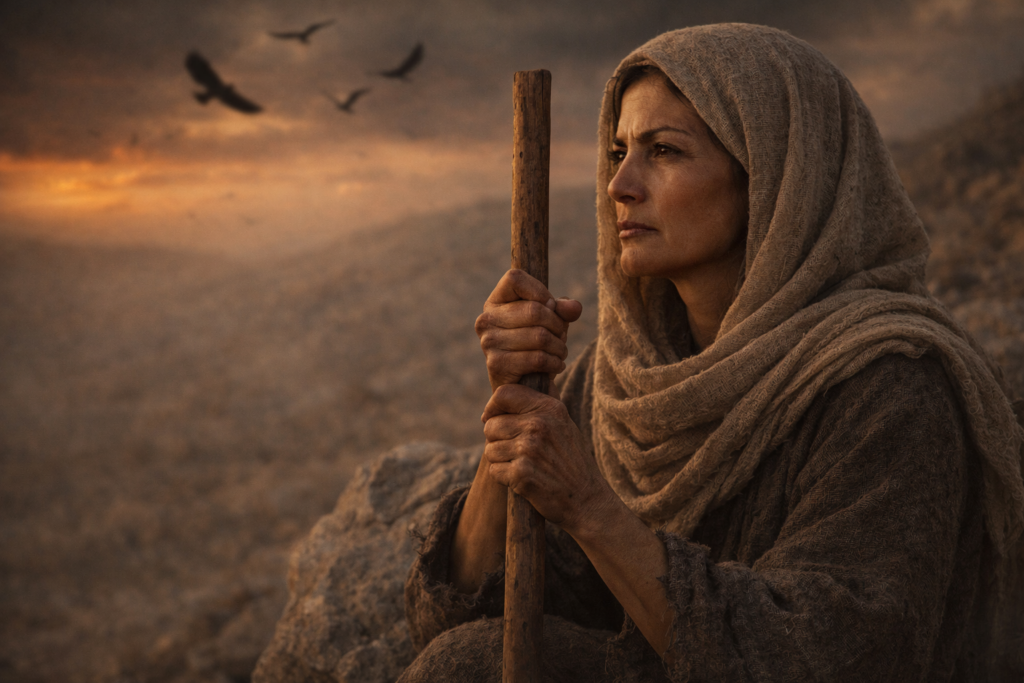
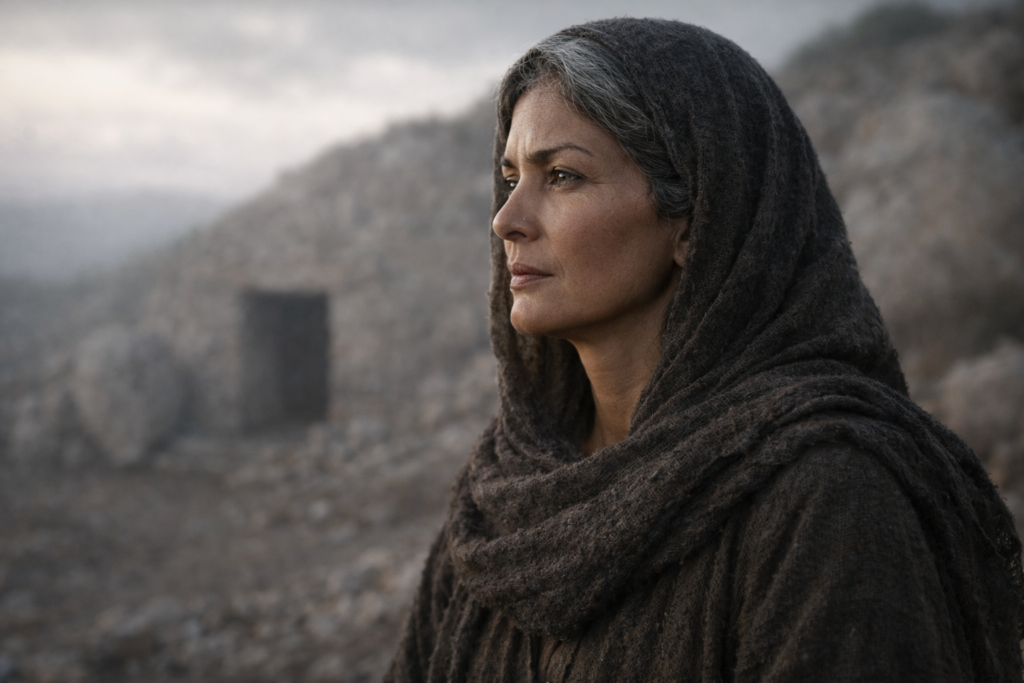
Instead, Rizpah took a sackcloth, the rough fabric of mourning, and spread it on a rock near the bodies. Then she sat down. Day after day. Night after night. She drove away the birds that circled overhead. She fought off the jackals that came sniffing in the darkness (2 Samuel 21:10). For months, through the burning heat of barley harvest into the early rains, she refused to leave.
She couldn’t save her sons’ lives. Therefore, she would protect their dignity in death.
This wasn’t about changing God’s mind or reversing the execution. This was about love that doesn’t calculate the cost. Love that says, “If I can do nothing else, I will do this.” Her vigil became a silent scream against injustice, a mother’s refusal to let her sons be forgotten.
When One Woman’s Faithfulness Moves a King
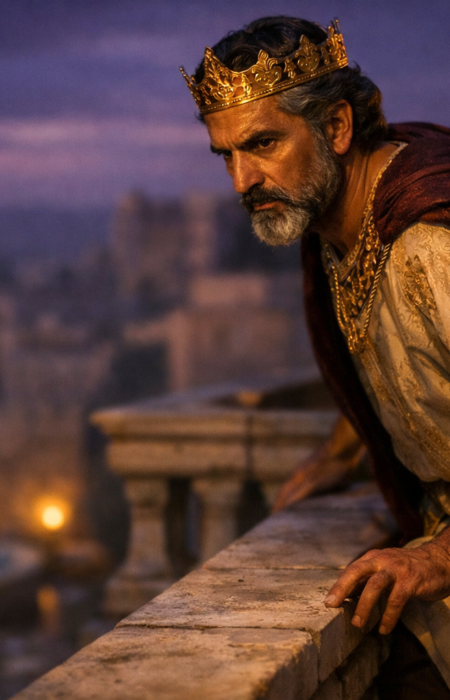
Word of Rizpah’s vigil eventually reached King David. Something about her dedication pierced through the political calculations and royal protocols. David had made the hard choice a king sometimes has to make, handing over seven men to end a famine. But Rizpah’s love reminded him that these weren’t just political solutions. They were sons. They were people made in God’s image.
Therefore, David acted. He didn’t just allow a burial. He gathered the bones of Saul and Jonathan from Jabesh Gilead, where brave men had rescued them years earlier. He brought together the remains of the seven executed men with the bones of their grandfather and uncle. Then he buried them all in the tomb of Kish, Saul’s father, in the land of Benjamin (2 Samuel 21:12-14).
A disgraced family received honor. Men who died as criminals received a proper burial in their ancestral tomb. And Scripture tells us that after this, “God answered prayer on behalf of the land” (2 Samuel 21:14).
One woman’s faithfulness changed how a king saw justice. Her love didn’t bring her sons back, but it restored their honor and moved the heart of the most powerful man in Israel.
What Rizpah’s Vigil Teaches Us About Faith
Here’s what strikes me about Rizpah. She didn’t have a theology degree. She didn’t quote Scripture or preach sermons. She simply refused to abandon those she loved, even when they were beyond her help.
That’s the kind of faith Jesus Christ calls us to. Not the faith that demands immediate answers or walks away when God doesn’t perform on our schedule. But the faith that says, “I will stay. I will remain faithful. I will keep loving even when it costs me everything.”
Think about it. Rizpah sat on that rock for months, not knowing if anything would change. She had no promise that David would hear about her vigil. She had no guarantee the rains would come soon. She just stayed.
Therefore, when you’re in that place where nothing makes sense, where you’ve prayed and pleaded and God seems silent, remember Rizpah. Your faithfulness matters. Your refusal to abandon those you love matters. Your vigil in the darkness, when no one else is watching, it matters.
Jesus Christ sees every moment you choose to remain faithful when walking away would be easier. He sees every time you protect someone’s dignity when the world has moved on. He sees every vigil you keep in prayer, every stand you take for truth, every sacrifice you make that no one else notices.
Rizpah’s story reminds us that faithfulness isn’t measured by immediate results. It’s measured by the choice to love when love is costly, to honor when honor is inconvenient, to remain when remaining requires everything you have.
The rains did come. David did act. Justice and mercy did meet on that hill. But Rizpah didn’t know any of that when she first spread her sackcloth on the rock. She simply chose faithfulness, and God used that faithfulness to move a kingdom.
So here’s my question for you: Where is God calling you to your own vigil? Where do you need to remain faithful even when you can’t see the outcome? Maybe it’s a relationship that seems dead. Maybe it’s a calling that feels impossible. Maybe it’s a prayer you’ve prayed a thousand times with no answer.
Don’t give up. Stay on your rock. Drive away the vultures of cynicism and the wolves of despair. Keep your vigil. Trust that the same God who saw Rizpah’s faithfulness sees yours.
And when you’re tempted to think your small act of love doesn’t matter, remember this: you’re watching someone destroy the dignity of those you love most, and there’s absolutely something you can do about it. You can refuse to let go.

Other Articles

Abandoned by Saints, Rescued by God
The Heartbreaking Truth About Tamar and King David