Are you missing the transformation you need?
Have you ever wondered what it truly means to engage with the Bible? Not just read it, not just skim through its pages, but to immerse yourself in its wisdom so deeply that it transforms your life? This question isn’t rhetorical, it’s the very heart of today’s conversation. So let me ask you again: are you ready to take responsibility for how you approach Scripture?
But before we dive into the practical steps, let’s talk about why this matters. The Bible isn’t just a book; it’s a revelation, a divine message that has traveled through time, written under the authority of the Holy Spirit, and preserved for you and me. Yet, here’s the conflict: many of us treat it like any other book. We read it casually, sometimes out of obligation, and often without truly understanding its significance. Therefore, the question arises: what is our responsibility toward this sacred text?
The Five Responsibilities
Let me break it down for you. These responsibilities aren’t just tasks; they’re invitations to transform your relationship with Scripture and ultimately, your life.
Read It Daily
First things first: make reading the Bible a daily habit. Not just when you feel inspired or when life throws challenges your way every single day. Paul told Timothy to devote himself to reading, and the Bereans examined the Scriptures daily with eagerness. But here’s the catch: don’t just read it like you’re checking off a box on your to-do list. Read it intentionally, at a time when your mind is alert and your heart is open. If you’re exhausted after work or distracted by the noise of life, you won’t absorb its truths. Therefore, find your best moment, whether it’s early morning or quiet evening and commit to it.
Understand What You Read
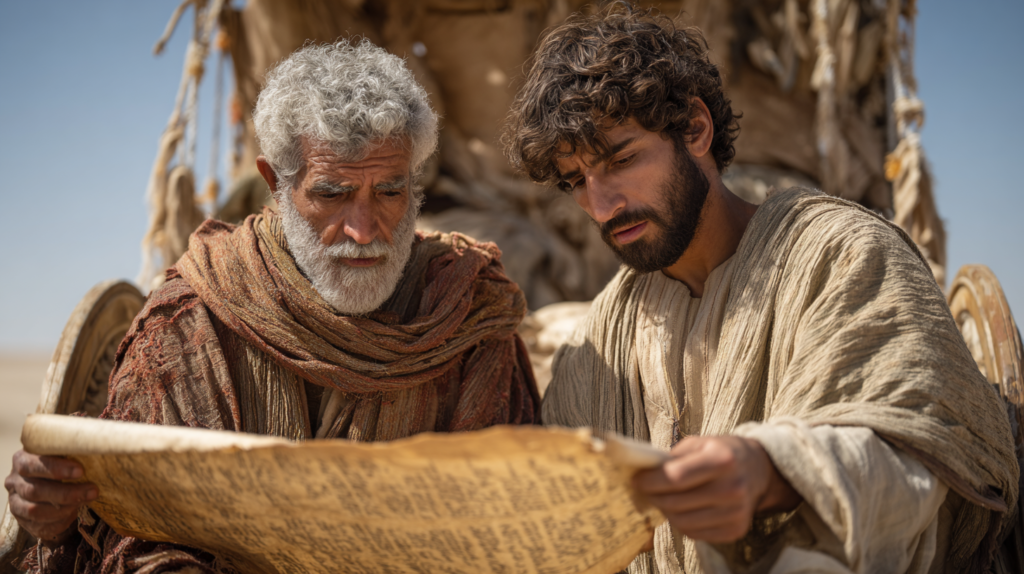
Reading without understanding is like eating without tasting, it leaves you unsatisfied. Remember Philip asking the Ethiopian eunuch, “Do you understand what you are reading?” The eunuch humbly admitted he needed guidance. But here’s the beauty: understanding leads to memorization naturally. When you grasp why a verse says what it says, it sticks with you not because you forced yourself to memorize it but because its meaning resonates deeply within you.
Memorize Scripture
Imagine walking through life with God’s Word stored in your heart, ready to guide, comfort, and strengthen you at any moment. Jesus didn’t carry scrolls while walking with His disciples; He had Scripture within Him. But don’t memorize mechanically; instead, let understanding lead the way. When Scripture becomes part of who you are, memorization feels effortless.
Live It Out

Here’s where things get real: knowing Scripture isn’t enough, you have to live it. What good is knowing what pleases God if your life contradicts His will? Living out Scripture means aligning your actions with its teachings, letting its truths shape your decisions and relationships. But this isn’t about perfection; it’s about progress, about striving daily to embody God’s Word in every aspect of your life.
Share It With Others
Finally, share what you’ve learned and lived, not as an obligation but as an overflow of your own transformation. Whether through social media posts, conversations with friends, or teaching others, let the Word spread through your life as a testimony of its power. But, and this is crucial, live it first before sharing it. Authenticity matters; people are drawn not just to words but to lives that reflect those words.
“But what if I don’t know where to start?” That’s often the question lingering in our minds when faced with such responsibilities. Here’s my answer: start small but start consistently. Read one chapter a day or even one verse if that feels manageable, but read with intention and prayer.

“But what if I fail?” You will fail at times, that’s inevitable because we’re human. Therefore, don’t aim for perfection; aim for persistence. Keep coming back to Scripture even when life gets messy or overwhelming.
Here’s my advice, the kind that I hope sticks with you long after this conversation ends: Let Scripture become more than words on a page; let it become the rhythm of your life.
Start today by committing to one responsibility, just one, and build from there. Maybe it’s reading daily or living out one verse that speaks directly to your current situation. And as you do this consistently, watch how God transforms not only your understanding but also your heart and actions.
So here’s my final thought, a setup for where we began: The Bible isn’t just meant to be read; it’s meant to be lived and shared as a testimony of faith and transformation.
Are you ready?

Other Articles

How daily choices sabotage your soul’s growth
The Unseen Hand: How the Bible Shapes Our Destiny