Power that changed millions. Will it change you?
“Have you ever wondered why the Bible stands unshaken through centuries of scrutiny, doubt, and debate? Why does it remain a beacon of hope for millions, untouched by error or distortion?” These are not just questions; they are the beginning of a transformative journey. But let me tell you, this is not about blind faith, this is about discovering something so profound that it changes everything.
The Bible is not just a book; it is the living Word of God. It has crossed generations, languages, and cultures without losing its purity. Therefore, today we’re diving into its infallibility, a concept that might seem lofty but is grounded in undeniable truths. The Bible’s inerrancy doesn’t rest solely on external evidence, though historical and archaeological proofs abound. But what truly sets it apart are its internal testimonies, the way it speaks directly to the human heart, revealing thoughts and intentions as if it knows us better than we know ourselves.
Imagine this: someone reads the Bible and says, “This book told me everything I’ve ever thought or felt.” How could such a thing be possible unless its author was divine? BUT skeptics often ask for proof. They wonder if the Bible was manipulated or altered over time. Therefore, let’s explore its authenticity through its unity of subject matter, its fulfilled prophecies, and its unparalleled influence.
Conflict and Resolution: The Thread of Sacrifice
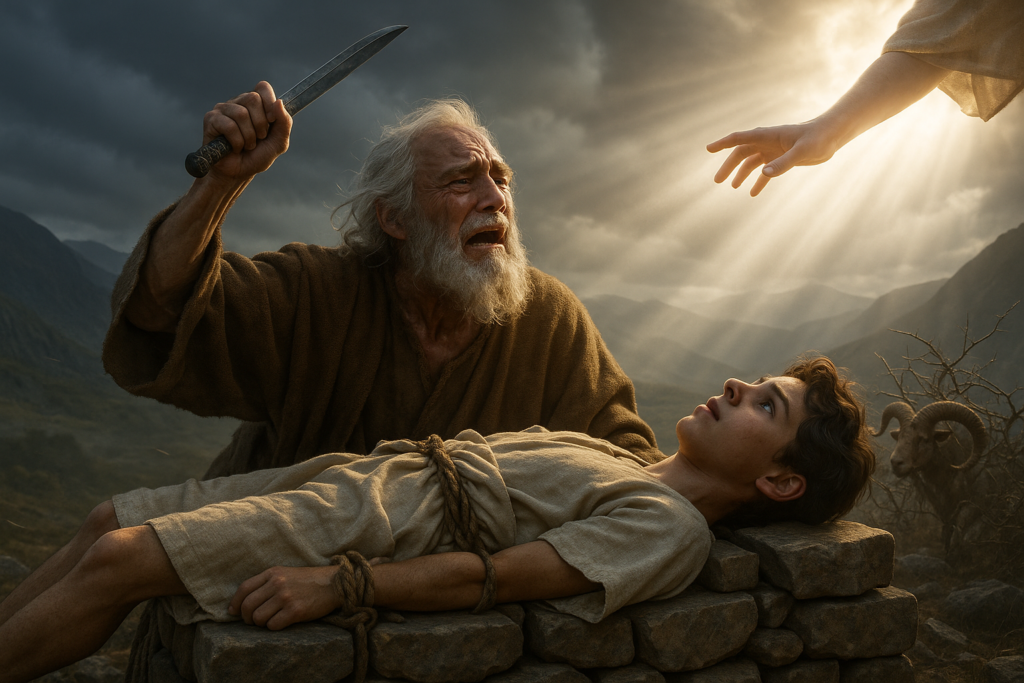
The theme of sacrifice runs like a golden thread through the Bible, from Genesis to Revelation. But why does sacrifice matter? Why does it occupy such a central place in Scripture? Therefore, let’s start at the beginning. In Genesis 3, after Adam and Eve sinned, God made garments of skin for them, a clear indication that an innocent life had to be sacrificed for their covering. Fast forward to Genesis 22: Abraham is asked to offer his son Isaac but is given a ram as a substitute. This act foreshadows Christ’s ultimate sacrifice on the cross.
But some reject the idea of sacrifice altogether. They argue that it’s outdated or irrelevant. Therefore, consider this: even in the Torah, which predates Christianity and is held sacred by Jews who do not accept Jesus as Messiah, sacrifice is central. From the Passover lamb in Exodus to the Day of Atonement in Leviticus 16, bloodshed symbolizes redemption, a truth that culminates in Christ’s death and resurrection.
Prophecies Fulfilled: The Impossible Made Possible
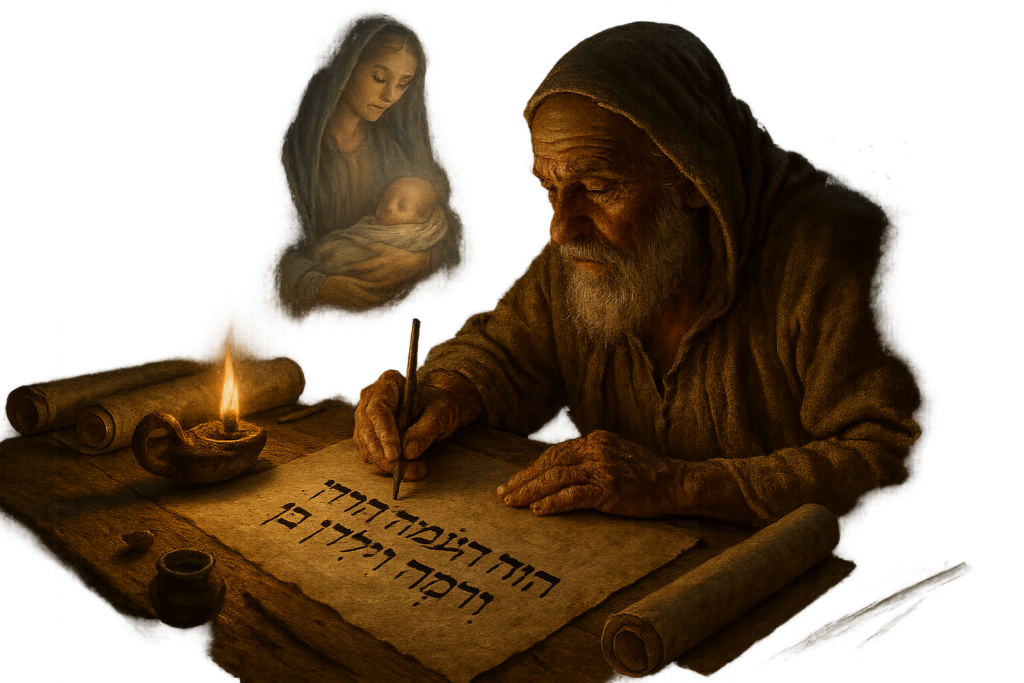
The Bible contains over 10,385 prophecies, 333 of which specifically concern Christ. But how can we trust these predictions? Isn’t it possible they were fabricated after the events occurred? Therefore, let’s examine their precision. Isaiah wrote about Christ’s virgin birth (Isaiah 7:14) more than 700 years before Jesus was born. Micah pinpointed Bethlehem as His birthplace (Micah 5:2). Zechariah foretold His betrayal for 30 pieces of silver (Zechariah 11:12). These are not vague guesses; they are detailed declarations fulfilled with uncanny accuracy.
But here’s where it gets mind-boggling: mathematicians estimate that the probability of just 48 prophecies being fulfilled in one person’s life is 1 in 10^157, a number so astronomical it defies comprehension. Therefore, when you see these prophecies come alive in Christ’s life, from His birth to His resurrection, you realize this isn’t coincidence; it’s divine orchestration.
Manuscripts and Preservation: The Testimony of History
One might ask, “How do we know the Bible hasn’t been tampered with?” But here’s the astonishing truth: there are over 24,600 ancient manuscripts of the Bible, making it the most well-preserved document in history. The Codex Sinaiticus, dating back to around 350 AD, stands as a testament to its authenticity. Therefore, when skeptics claim that errors have crept into Scripture over time, they face an overwhelming wall of evidence proving otherwise.
Consider this story: during Russia’s communist revolution, a regime hostile to religion, the Codex Sinaiticus was sold for $500,000 while Voltaire’s works were auctioned for mere cents. Voltaire once mocked the Bible, claiming it would vanish within a century. But irony has its way, the Bible thrives while his predictions rest forgotten in museums.
A Call to Transformation
So where does all this leave us? The Bible isn’t just a relic or a collection of moral teachings; it’s alive, speaking truth into our lives today. But reading it requires more than intellectual curiosity; it demands an open heart willing to be transformed. Therefore, I challenge you: don’t take my word for it, read it yourself. Taste its sweetness like honey on your lips and feel its power resonate deep within your soul.
Here’s my advice: let the Bible be your guide, not just for understanding faith but for living it out boldly every day. Let its words shape your decisions, heal your wounds, and inspire your dreams. Because at the end of the day, if you want to change your life, truly change your life, it starts with letting God speak through His Word.
And remember this: “If God’s Word could transform hearts across centuries, imagine what it could do in yours.”

Other Articles

The Daily Habit That Could Change Your Spiritual Life Forever
Decoding Biblical Prophecy: The Key to Understanding Our World