
The first crime in human history wasn’t theft or adultery. It was murder. But here’s what’ll shock you: it was religious murder.
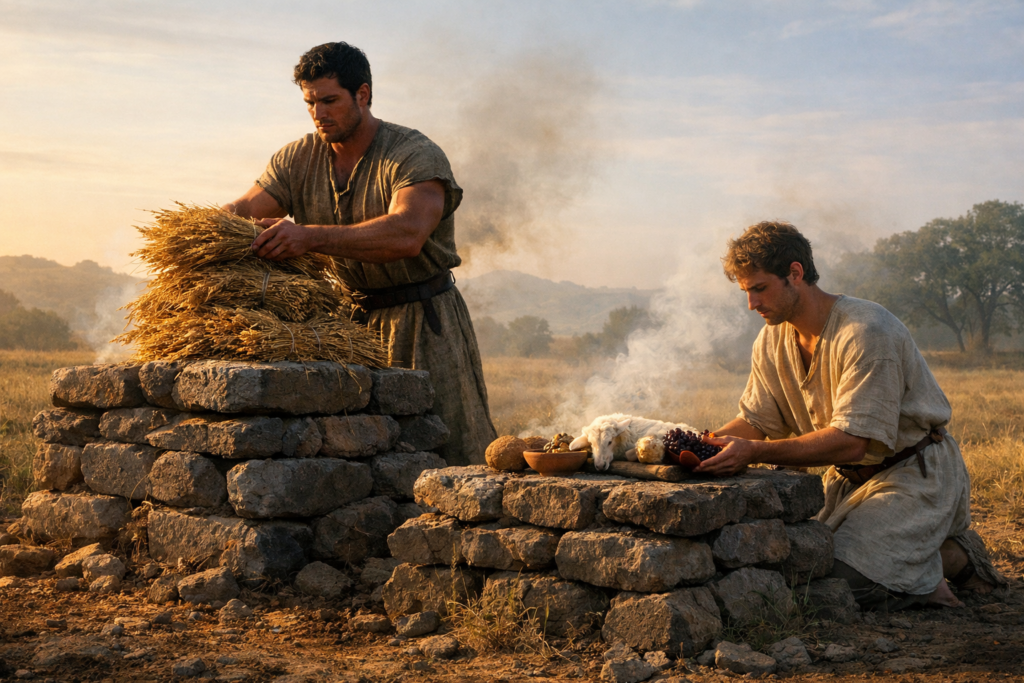
Picture this. Two brothers, both wanting to worship God. Both bring offerings. Both appear spiritual. Yet one walks away justified, the other becomes history’s first killer. The difference between them reveals something uncomfortable about religion that most people miss entirely.
See, when we read Genesis 4:1-8, we’re tempted to make this story about sibling rivalry. But that’s missing the deeper truth. This is about two fundamentally different approaches to God. Two schools of thought that exist in every generation, in every church, in every human heart.
The Weight of Wrong Expectations
Eve named her firstborn Caïn, declaring “I have brought forth a man with the help of the Lord” (Genesis 4:1). She thought he was the promised seed, the one who would crush the serpent’s head. Therefore, she pinned her hopes on this child. But Caïn disappointed her.
When Abel was born, she named him “vapor” or “breath.” Her hope had evaporated. One son represented crushed expectations. The other represented resigned acceptance.
This sets up everything that follows. Because when you carry the weight of being someone’s messiah, when you’re supposed to be the solution but you know you’re part of the problem, something breaks inside you. Therefore, Caïn developed what we might call a performance-based relationship with God.
He became religious. But his religion was built on denial.
While Abel chose the path of faith, acknowledging his need for a substitute, Caïn chose the path of self-approval. He offered the fruit of his labor, the sweat of his brow. But as someone wisely said, “the sweat of the face cannot replace the blood of the Lamb.”

When Religion Becomes Dangerous
Here’s where the story takes a dark turn. Hebrews 11:4 tells us “By faith Abel offered to God a more acceptable sacrifice than Cain.” Abel understood something Caïn rejected: approach to God requires blood sacrifice.
This wasn’t arbitrary. Back in Genesis 3, when Adam and Eve sinned, God made them clothing from animal skins. The first sacrifice. Therefore, Adam understood that something had to die in his place. He passed this revelation to his sons.
Abel received it. Caïn rejected it.
The text says Abel offered “the firstborn of his flock and their fat portions” (Genesis 4:4). Not leftovers. Not sick animals. The best he had. Therefore, God accepted his offering. But Caïn’s offering of produce was rejected.
Why? Because Caïn’s offering said “Look what I can do for you, God.” Abel’s offering said “I need you to do something for me, God.”
One was self-righteousness. The other was faith.

Therefore, Caïn became furious. His face fell. God warned him: “If you do well, will you not be accepted? And if you do not do well, sin is crouching at the door” (Genesis 4:7).
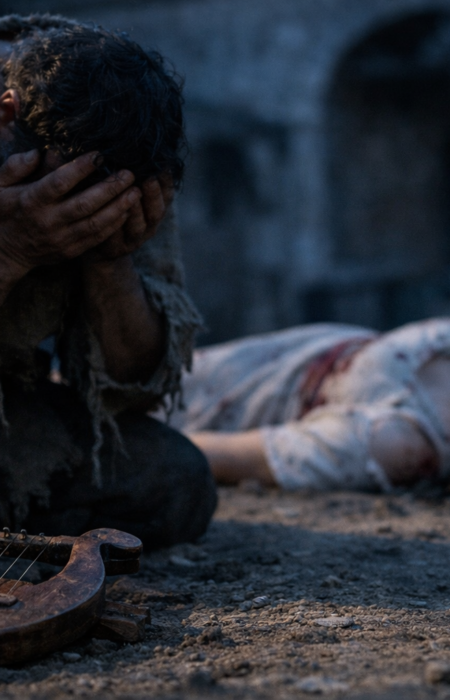
But Caïn didn’t listen. He rose up against his brother and killed him.
The first murder in history was committed by a religious man who couldn’t stand that his brother’s faith was accepted while his works were rejected.
The Pattern That Never Dies
This pattern repeats throughout history. Jesus wasn’t killed by secular authorities. Pilate tried to save him. Herod, for all his corruption, tried to save him. But the religious leaders demanded his death, saying “If you release this man, you are not Caesar’s friend” (John 19:12).
Saul of Tarsus, before becoming Paul, described himself as extremely religious. Yet he “persecuted the church of God violently” (Galatians 1:13). He was creative in his methods of humiliation and murder. All in the name of religion.
Even today, the most horrific crimes often have religious motivations. The 21st century is filled with people who pray and then kill, who worship and then destroy.
Therefore, we cannot differentiate between murderers and religious people based on external appearance alone. Someone can enter to pray and then burn down the building. They can worship and then commit atrocities.
This is the way of Cain. And Jude warns us about those who “walked in the way of Cain” (Jude 1:11). They didn’t invent this path. They simply chose it.
But there’s another way. Abel’s way.
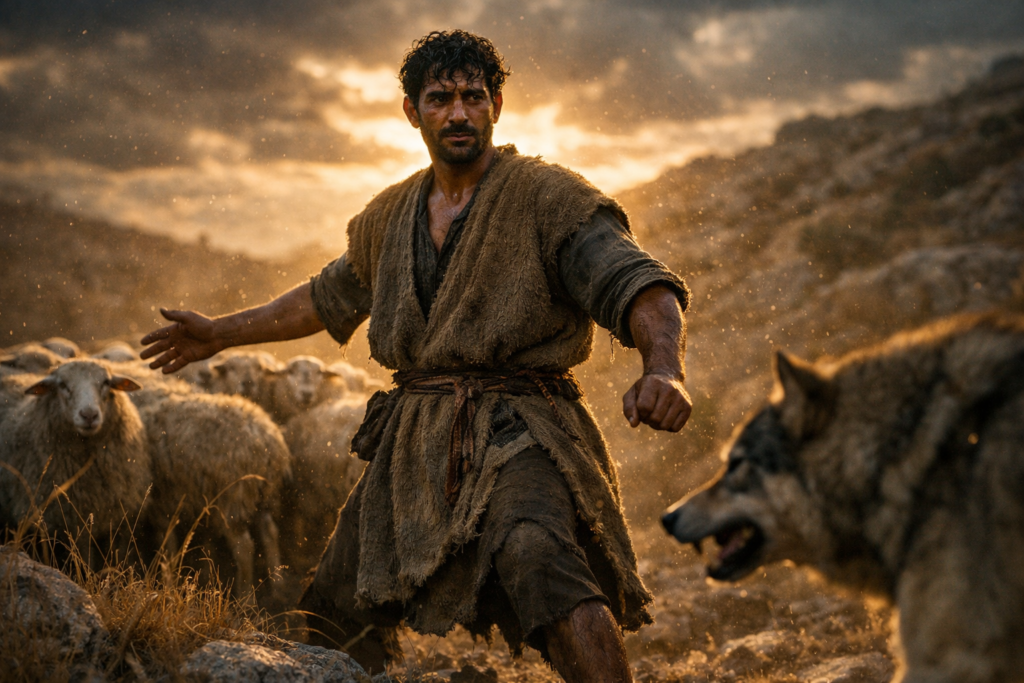
Abel was the first shepherd mentioned in Scripture. He regularly chose lambs from his flock and offered them so God would accept them. Not once, but repeatedly. Therefore, God was pleased with him.
When the Good Shepherd came, he didn’t offer sheep as sacrifices. He sacrificed himself. Have you ever heard of a shepherd who dies for his sheep? Usually the flock sacrifices for the shepherd. But Jesus said “I am the good shepherd. The good shepherd lays down his life for the sheep” (John 10:11).

Abel’s sacrifice pointed forward to the ultimate sacrifice. The firstborn. The best. The spotless. The one whose “fat portions” would create a pleasing aroma to God.
Jesus Christ.
Therefore, there are only two ways to approach God. Cain’s way, which depends on self-sufficiency, good works, and religious performance. Or Abel’s way, which depends entirely on the sacrifice of Christ.
Cain’s way leads to frustration, anger, and ultimately destruction. Those who take this path become vagabonds, wandering spiritually but never finding rest.
Abel’s way leads to acceptance, peace, and eternal life.
Here’s what you need to understand: every person who has ever tried Cain’s method has failed. Not one has succeeded in approaching God through self-righteousness. But everyone who has taken Abel’s path, depending on Christ’s sacrifice, has been accepted.
The choice is yours. But choose wisely. Because like Cain discovered too late, there are no alternative routes to God once you’ve rejected his way.
Your eternal future depends on which brother you follow.
Transform Your Life Today
Stop trying to earn God’s acceptance through your performance. Religious activity, moral behavior, and good intentions cannot substitute for the blood of Christ. Like Abel, offer God your best by acknowledging your worst and trusting completely in Jesus’s sacrifice.
The first murder was religious, but the last sacrifice was redemptive. Trust Christ today.